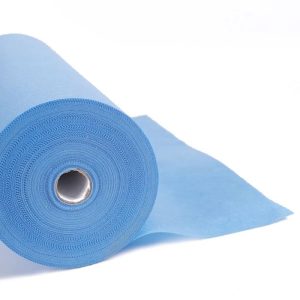
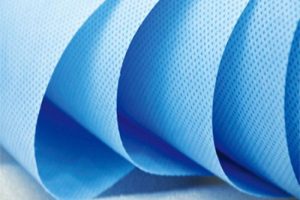
Dive into the world of Nonwoven textiles for hygiene products with us! Get ready for a rollercoaster ride of information and fun facts that will make you rethink the way you see hygiene products.
From the advantages of nonwoven textiles to their applications and innovations, this topic is packed with interesting insights that will leave you wanting to know more.
Introduction to Nonwoven Textiles for Hygiene Products
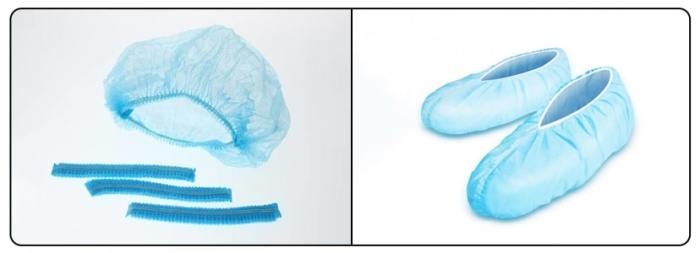
Nonwoven textiles are materials made by bonding fibers together rather than weaving them into a fabric. These textiles play a crucial role in the production of hygiene products such as diapers, sanitary napkins, and wet wipes.
Advantages of Nonwoven Textiles
Nonwoven textiles offer several advantages over traditional woven fabrics in the manufacturing of hygiene products:
- Cost-effective production process
- High absorbency and liquid retention capacity
- Soft and gentle on the skin
- Ability to be designed for specific applications
Properties of Nonwoven Textiles
Nonwoven textiles possess specific properties that make them suitable for use in hygiene products:
- Porosity for breathability and moisture control
- Flexibility to conform to body shapes
- Strength and durability for extended use
- Chemical resistance for use with various liquids and substances
Types of Nonwoven Textiles for Hygiene Products
Nonwoven textiles are widely used in the production of hygiene products due to their superior absorbency, breathability, and durability. There are several types of nonwoven textiles commonly employed in this industry, each with its own unique characteristics and manufacturing processes.
Spunbond Nonwovens
Spunbond nonwovens are made by extruding continuous filaments of a polymer, which are then laid down on a conveyor belt and bonded together using heat and pressure. These textiles are known for their strength, softness, and high breathability, making them ideal for use in products like diapers and feminine hygiene pads.
Meltblown Nonwovens
Meltblown nonwovens are produced by extruding melted thermoplastic fibers through small nozzles onto a conveyor belt, where they form a fine fiber web. The fibers are then bonded together using heat or chemicals. Meltblown textiles are incredibly fine and provide excellent filtration properties, making them suitable for use in face masks and surgical drapes.
Spunlace Nonwovens
Spunlace nonwovens are made by entangling fibers using high-pressure water jets. This process creates a strong, soft, and absorbent material that is often used in baby wipes, wet wipes, and personal care products. Spunlace textiles are gentle on the skin and offer excellent absorbency.
Airlaid Nonwovens
Airlaid nonwovens are produced by air-laying pulp fibers onto a conveyor belt and bonding them together with a combination of air and heat. These textiles are highly absorbent and are commonly used in products like adult incontinence pads, feminine hygiene products, and medical dressings.Each type of nonwoven textile has its own unique set of characteristics that make it suitable for specific hygiene applications.
By understanding the differences between these textiles, manufacturers can choose the right material to meet the performance requirements of their products.
Applications of Nonwoven Textiles in Hygiene Products
Nonwoven textiles play a crucial role in enhancing the functionality and performance of various hygiene products. They are extensively used in products such as diapers, sanitary pads, and wipes to provide comfort, absorbency, and promote skin health.
Diapers
Nonwoven textiles are a key component in modern diaper construction. They are used in the outer layer to provide a soft and gentle feel against the baby’s skin. The nonwoven material helps in absorbing moisture quickly, keeping the baby’s skin dry and preventing diaper rash. Additionally, nonwoven textiles are breathable, allowing air circulation to reduce the risk of skin irritation.
Sanitary Pads
In sanitary pads, nonwoven textiles are used in the top layer to provide a soft and comfortable surface for the user. The material has excellent liquid absorption properties, quickly drawing moisture away from the skin to keep the user feeling dry and fresh. Nonwoven textiles also help in preventing leaks and maintaining the shape of the pad during use.
Wipes
Nonwoven textiles are the primary material used in manufacturing wipes for various hygiene purposes. The soft and non-abrasive nature of nonwoven fabrics makes them ideal for cleaning sensitive skin areas. They are gentle on the skin while effectively removing dirt, bacteria, and impurities. Nonwoven wipes are also disposable, ensuring hygiene and convenience for the user.Overall, nonwoven textiles in hygiene products not only enhance absorbency and comfort but also contribute to maintaining skin health and overall hygiene.
Their versatility and effectiveness make them essential components in the design and functionality of various hygiene products.
Innovations and Trends in Nonwoven Textiles for Hygiene Products
Nonwoven textiles for hygiene products have seen significant advancements in recent years, with a focus on improving performance, sustainability, and incorporating smart technology for enhanced functionality.
Advancements in Nonwoven Textile Technology
Innovations in nonwoven textile technology for hygiene products have led to the development of materials with enhanced absorbency, breathability, and comfort. Manufacturers are constantly exploring new fiber blends, bonding techniques, and surface treatments to improve the overall quality and performance of nonwoven textiles used in hygiene products.
Sustainable Practices in Nonwoven Textile Production
With a growing emphasis on sustainability, the nonwoven textile industry is adopting eco-friendly practices in production. This includes using recycled fibers, reducing water and energy consumption during manufacturing processes, and implementing biodegradable materials. These sustainable practices not only benefit the environment but also appeal to consumers who are increasingly conscious of the ecological impact of the products they use.
Incorporating Smart Textiles in Hygiene Products
The integration of smart textiles in hygiene products is a promising trend that offers functionalities beyond traditional materials. Smart textiles can monitor body temperature, detect moisture levels, and even release active ingredients for improved hygiene and comfort. With advancements in wearable technology, the future prospects of incorporating smart textiles in hygiene products are exciting, paving the way for products that can adapt to individual needs and provide personalized care.
Textiles and Nonwovens
Nonwoven textiles differ from traditional woven fabrics in their structure and properties. While woven textiles are made by interlacing yarns together in a specific pattern, nonwoven textiles are produced by bonding or interlocking fibers together without the need for weaving.
Differentiating Characteristics
Nonwoven textiles are characterized by their random fiber orientation, which gives them a more uniform structure compared to woven fabrics. This random arrangement of fibers provides nonwovens with unique properties such as high porosity, breathability, and flexibility.
Advantages and Disadvantages
- Advantages of Nonwoven Textiles:
- Cost-effective production process
- High level of customization and design flexibility
- Improved liquid absorption and retention capabilities
- Enhanced barrier properties against bacteria and viruses
- Disadvantages of Nonwoven Textiles:
- Lower tensile strength compared to woven fabrics
- Potential for pilling or linting in certain applications
- Less aesthetic appeal in some consumer products
- Limited reusability and recyclability in certain industries
Last Recap
In conclusion, Nonwoven textiles for hygiene products are not just fabrics; they are game-changers in the world of cleanliness. With their unique properties and endless possibilities, these textiles are shaping the future of hygiene products in ways we never imagined.
FAQ Guide
How are nonwoven textiles different from traditional woven fabrics?
Nonwoven textiles are made by bonding or interlocking fibers together without weaving, unlike traditional woven fabrics that are created by weaving yarns together.
What are the advantages of using nonwoven textiles in hygiene products?
Nonwoven textiles offer superior absorbency, breathability, and durability compared to traditional woven fabrics, making them ideal for hygiene applications.
Are there any eco-friendly practices in nonwoven textile production for hygiene products?
Yes, sustainable practices like using recycled materials and reducing waste are becoming more prevalent in the production of nonwoven textiles for eco-friendly hygiene products.