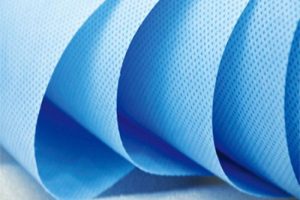
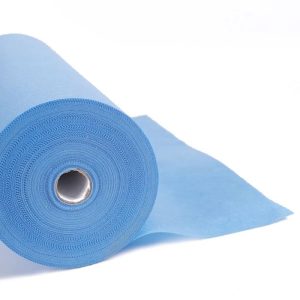
Step into the fascinating world of nonwoven fabrics manufacturing process, where fibers transform into versatile fabrics through innovative techniques and cutting-edge technology. Get ready for an engaging journey filled with insights and surprises!
Discover the intricate process behind creating nonwoven fabrics and how they revolutionize the textile industry with their unique properties and applications.
Nonwoven fabrics manufacturing process
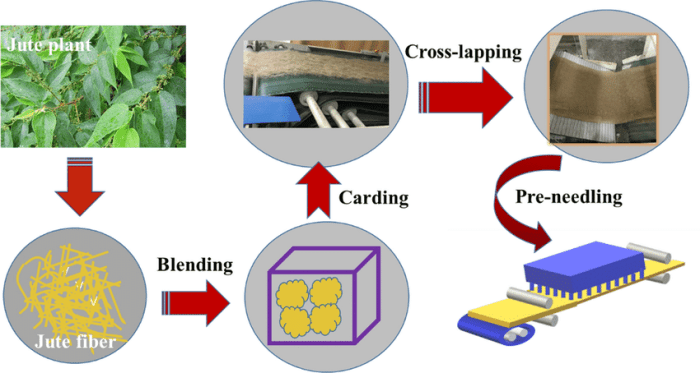
Nonwoven fabrics are versatile materials that are manufactured through a unique process that sets them apart from traditional woven fabrics. Let’s delve into the key steps involved in the production of nonwoven fabrics and explore the various methods used in their manufacturing process, as well as the role of technology in modern nonwoven fabrics manufacturing.
Key Steps in Nonwoven Fabrics Manufacturing
- Opening and Blending: Raw materials such as fibers or polymers are opened, blended, and mixed to create a homogenous mixture.
- Web Formation: The mixed fibers are then laid out to form a web, which serves as the base for the nonwoven fabric.
- Bonding: Various methods like thermal, chemical, or mechanical bonding are employed to strengthen the web and create a cohesive fabric.
- Finishing: The fabric undergoes finishing processes like dyeing, coating, or embossing to enhance its properties and aesthetics.
Methods Used in Nonwoven Fabrics Manufacturing
- Spunbonding: Involves extruding continuous filaments which are then laid onto a conveyor belt and bonded together.
- Meltblown: Uses high-velocity air to blow molten polymer onto a collector, creating fine fibers that are then bonded.
- Needle Punching: Involves punching barbed needles through the web to entangle the fibers and create a strong fabric.
- Chemical Bonding: Utilizes adhesive chemicals to bond the fibers together, often through padding or spraying methods.
Role of Technology in Modern Nonwoven Fabrics Manufacturing
- Automation: Advanced machinery and robotics have streamlined the production process, increasing efficiency and reducing manual labor.
- Nanotechnology: Integration of nanofibers and nanomaterials has led to the development of high-performance nonwoven fabrics with enhanced properties.
- Quality Control: Sensors and monitoring systems ensure consistent quality throughout the manufacturing process, improving the overall product reliability.
- Eco-friendly Practices: Technology is being used to develop sustainable nonwoven fabrics by incorporating recycled materials and reducing waste generation.
TEXTILES AND NONWOVENS
When comparing traditional textiles to nonwoven fabrics, there are several key differences that set them apart. Traditional textiles are typically made by weaving or knitting fibers together, while nonwoven fabrics are created by bonding or felting fibers together through mechanical, thermal, or chemical processes. This difference in production methods leads to distinct characteristics in terms of strength, texture, and performance.Nonwoven fabrics offer several advantages over traditional textiles.
Firstly, they are often more cost-effective to produce as they require less processing and labor. Additionally, nonwovens can be engineered to have specific properties such as increased strength, durability, and absorbency, making them versatile for various applications. They are also lightweight, breathable, and can be produced in a wide range of colors and designs.
Advantages of Nonwoven Fabrics
- Nonwoven fabrics are cost-effective to produce due to simplified manufacturing processes.
- They can be engineered to have specific properties like increased strength, durability, and absorbency.
- Nonwovens are lightweight, breathable, and available in a variety of colors and designs.
Industries Using Nonwoven Fabrics
- Medical and healthcare: Nonwoven fabrics are used in surgical gowns, masks, wipes, and other medical supplies due to their high absorbency and barrier properties.
- Agriculture: Nonwovens are used in crop covers, mulch mats, and plant protection applications for their durability and protection against pests.
- Automotive: Nonwoven fabrics are used in car interiors, upholstery, and filtration systems for their strength, sound insulation, and moisture resistance.
Final Thoughts
As we wrap up our exploration of nonwoven fabrics manufacturing process, we’ve unveiled the inner workings of this dynamic industry and its impact on various sectors. From innovation to efficiency, nonwoven fabrics continue to shape the future of textiles with endless possibilities.
FAQ Insights
How are nonwoven fabrics different from traditional textiles?
Nonwoven fabrics are made directly from fibers without the need for yarn formation, making them more cost-effective and versatile than traditional textiles.
What are the key steps involved in nonwoven fabrics manufacturing?
The key steps include web formation, bonding, and finishing processes that transform loose fibers into cohesive fabrics through mechanical, chemical, or thermal methods.
Which industries extensively use nonwoven fabrics?
Nonwoven fabrics are prevalent in industries such as healthcare, automotive, agriculture, and construction due to their durability, absorbency, and filtration properties.