Textile waste management solutions set the stage for this enthralling narrative, offering readers a glimpse into a story that is rich in detail with entertaining interactive style and brimming with originality from the outset. From discussing innovative practices to exploring the environmental impact and delving into circular economy approaches, this topic promises a deep dive into the world of sustainable textile waste management.
Stay tuned as we unravel the complexities of textile waste management and discover how industry practices are evolving to address the pressing issue of textile waste disposal.
Textile Waste Management Solutions
Textile waste management solutions are crucial for addressing the environmental impact of the fashion industry. With the rise of fast fashion and increasing textile production, effective waste management practices are essential to reduce pollution and promote sustainability.
Innovative Textile Waste Management Practices
Innovative solutions such as textile recycling, upcycling, and circular fashion initiatives are transforming the way the industry handles waste. Companies are finding creative ways to repurpose textile waste into new products, reducing the need for virgin materials and minimizing environmental impact.
Environmental Impact of Improper Textile Waste Disposal
Improper disposal of textile waste, such as dumping in landfills or incineration, can lead to pollution of soil, water, and air. Toxic chemicals used in textile production can leach into the environment, harming ecosystems and human health. Implementing proper waste management practices is essential to mitigate these negative effects.
Strategies for Reducing Textile Waste in the Fashion Industry
1. Design for durability and longevity
Creating high-quality garments that last longer can reduce the frequency of disposal.
2. Implementing take-back programs
Brands can offer recycling initiatives to collect and repurpose old clothing.
3. Educating consumers
Raising awareness about the impact of textile waste can encourage more sustainable purchasing behaviors.
4. Investing in sustainable materials
Using eco-friendly fabrics and production techniques can reduce the environmental footprint of the fashion industry.
Sustainable Textile Recycling
Textile recycling is the process of reusing and repurposing old textiles to create new products, reducing waste and environmental impact. This sustainable practice helps conserve resources, reduce energy consumption, and minimize the need for raw materials.
Mechanical Recycling vs Chemical Recycling
In mechanical recycling, old textiles are sorted, cleaned, and shredded into fibers, which are then spun into new yarns. This process is efficient and cost-effective, but it can lead to a decrease in fiber quality over time. On the other hand, chemical recycling involves breaking down textiles into their chemical components, which are then used to create new fibers without loss of quality.
While chemical recycling is more complex and expensive, it allows for a higher quality end product.
Challenges in Recycling Blended Textiles
One of the main challenges in textile recycling is dealing with blended textiles, which are made from a combination of different fibers. Separating these fibers for recycling can be difficult and costly, leading to lower recycling rates for blended textiles. Innovative technologies are being developed to overcome this challenge and improve the recycling of blended textiles.
Role of Technology in Textile Recycling
Technology plays a crucial role in improving textile recycling efficiency by automating processes, enhancing sorting capabilities, and developing new recycling methods. Advanced sorting technologies, such as near-infrared spectroscopy and robotic systems, help segregate textiles based on fiber composition, making it easier to recycle different types of textiles. Additionally, innovative recycling technologies, such as enzymatic processes and chemical dissolution, are being developed to recycle textiles more effectively and sustainably.
Circular Economy Approaches
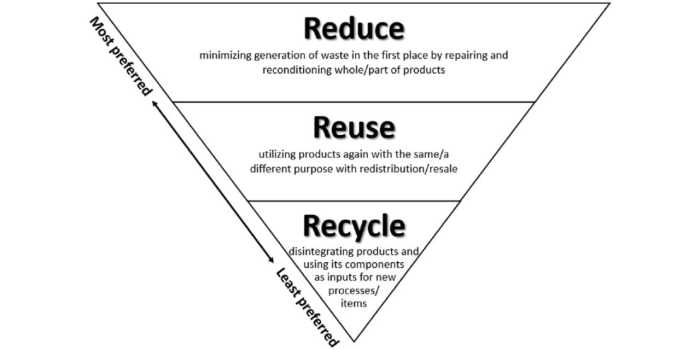
In the context of textile waste management, a circular economy refers to a system where materials are kept in use for as long as possible through recycling, upcycling, and reusing, thereby reducing waste and environmental impact.
Key Stakeholders in Circular Economy Approaches
- Textile manufacturers
- Retailers and brands
- Consumers
- Recycling facilities
- Governments and policymakers
Success Stories in Circular Economy Models
One notable success story is the company Patagonia, which has implemented a Worn Wear program that encourages customers to repair and recycle their clothing. This initiative not only reduces textile waste but also fosters a culture of sustainability among consumers.
Economic Advantages of Transitioning to a Circular Economy
- Cost savings through reduced raw material extraction
- New revenue streams from recycling and upcycling processes
- Increased brand loyalty and consumer trust through sustainable practices
- Regulatory compliance and risk mitigation in the face of environmental regulations
Textiles and Nonwovens
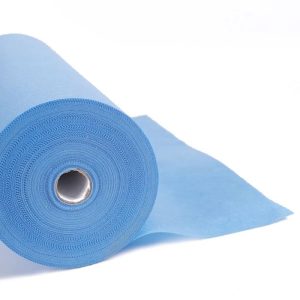
In the textile industry, both textiles and nonwovens play a significant role in production and waste generation. While textiles are traditional woven or knitted fabrics, nonwovens are engineered fabrics made from fibers bonded together through mechanical, chemical, or thermal processes.
Differentiation between Textiles and Nonwovens
Textiles are produced through weaving or knitting processes using yarns, resulting in fabrics like cotton, silk, or wool. On the other hand, nonwovens are manufactured by entangling fibers together without weaving or knitting, such as materials like polyester felt or meltblown polypropylene.
Common Nonwoven Materials and Recycling Challenges
- Polypropylene: Widely used in nonwoven applications like disposable face masks and medical gowns, but challenges arise in separating the bonded fibers for recycling.
- Polyester: Commonly found in nonwoven wipes and filters, recycling polyester nonwovens can be hindered by the presence of additives or coatings.
Differences in Nonwoven Waste vs. Traditional Textile Waste
Nonwoven waste differs from traditional textile waste as it often contains a higher percentage of synthetic fibers and is more challenging to recycle due to the bonding processes used in nonwoven production. Traditional textile waste, on the other hand, primarily consists of natural fibers like cotton or wool, which are more easily recyclable.
Sustainable Nonwoven Production and Waste Management Trends
- Biodegradable Nonwovens: Manufacturers are increasingly exploring biodegradable alternatives to traditional nonwovens to reduce the environmental impact of waste.
- Recycling Technologies: Innovations in recycling technologies are being developed to improve the recycling rates of nonwoven materials and reduce waste sent to landfills.
Final Wrap-Up
As we wrap up our exploration of textile waste management solutions, we’ve learned about the importance of innovation, sustainability, and circular economy approaches in tackling this global challenge. With a focus on reducing waste, recycling textiles, and embracing circular economy models, the future of textile waste management looks promising and environmentally conscious.
Question & Answer Hub
What are some innovative textile waste management practices?
Innovative practices include upcycling textile waste into new products, implementing closed-loop systems in production, and utilizing advanced recycling technologies.
How does textile recycling benefit the environment?
Textile recycling reduces the need for raw materials, conserves energy, and minimizes waste sent to landfills, thus lowering the environmental impact of textile production.
What is the concept of a circular economy in textile waste management?
A circular economy aims to minimize waste and promote sustainability by keeping resources in use for as long as possible through recycling, reusing, and reducing waste in the textile industry.