Step into the fascinating world of smart textiles and nonwovens where fabric meets technology in the most innovative ways, promising a blend of style and functionality like never before. Get ready to explore the future of textiles in an interactive and engaging manner!
Smart textiles and nonwovens are revolutionizing the way we think about fabrics, combining cutting-edge technology with everyday materials to create a whole new world of possibilities.
Smart textiles and nonwovens overview
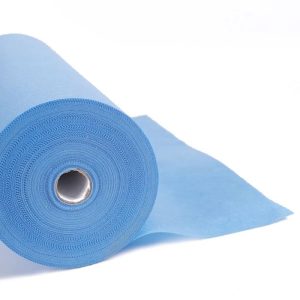
Smart textiles and nonwovens are innovative materials that have revolutionized various industries with their unique properties and functionalities. Smart textiles are fabrics integrated with technology to provide additional features such as sensing, monitoring, and responding to stimuli. On the other hand, nonwovens are engineered fabrics made by bonding or interlocking fibers using mechanical, thermal, or chemical methods, offering versatility and durability.
Key Characteristics of Smart Textiles and Nonwovens
- Smart textiles are embedded with sensors, actuators, and conductive materials to enable functionalities like temperature regulation, moisture management, and health monitoring.
- Nonwovens are made from fibers bonded together without weaving or knitting, providing properties like strength, softness, and breathability.
- Both smart textiles and nonwovens offer lightweight, flexible, and adaptive properties, making them suitable for various applications in healthcare, sports, fashion, automotive, and aerospace industries.
Examples of Applications
- Smart textiles are used in wearable technology like fitness trackers, smart clothing, and medical monitoring devices to enhance user experience and monitor health metrics.
- Nonwovens find applications in hygiene products such as diapers, wipes, and feminine care products due to their absorbent and soft characteristics.
- In the automotive industry, nonwovens are used for noise insulation, filtration, and interior components, while smart textiles are integrated into car seats for comfort and monitoring driver fatigue.
Smart textiles technologies

Smart textiles are revolutionizing the way we interact with clothing and fabrics. The integration of technology into textiles has opened up a whole new world of possibilities, from monitoring our health to enhancing our comfort. Let’s dive into the latest technologies used in smart textiles and how they are transforming various industries.
Types of Sensors in Smart Textiles
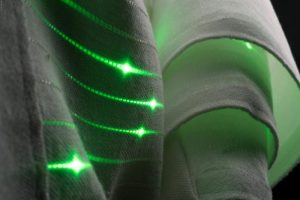
- Optical Sensors: These sensors use light to measure various parameters like heart rate, oxygen levels, and even hydration levels.
- Temperature Sensors: These sensors can detect changes in body temperature, making them ideal for monitoring health or adjusting clothing temperature.
- Motion Sensors: These sensors can track movement and activity levels, providing valuable data for fitness tracking and sports performance.
Smart Textiles in the Healthcare Industry
Smart textiles have made a significant impact in the healthcare industry, offering innovative solutions for monitoring patients and improving treatment outcomes. These textiles can be used to create wearable devices that track vital signs, detect early warning signs of health issues, and even deliver medication through the skin. The seamless integration of technology into everyday clothing has the potential to revolutionize healthcare delivery and improve patient outcomes significantly.
Nonwovens in the textile industry
Nonwovens play a crucial role in the textile industry, providing a versatile and cost-effective alternative to traditional woven fabrics. They are used in various applications ranging from medical and hygiene products to geotextiles and automotive components.
Role of Nonwovens
Nonwovens are manufactured by bonding or interlocking fibers together through mechanical, chemical, or thermal processes, rather than weaving or knitting. This results in a fabric that is lightweight, breathable, and often disposable. Nonwovens offer advantages such as high absorbency, liquid repellency, stretchability, and strength, making them suitable for a wide range of products.
- Medical and hygiene products: Nonwovens are commonly used in surgical gowns, face masks, wound dressings, and diapers due to their softness, breathability, and ability to block pathogens.
- Automotive industry: Nonwovens are utilized in car interiors, upholstery, and filtration systems for their durability, sound absorption, and thermal insulation properties.
- Geotextiles: Nonwovens are employed in construction and civil engineering for erosion control, drainage, and soil stabilization applications.
Manufacturing Process of Nonwovens
The manufacturing process of nonwovens involves several steps, including fiber selection, web formation, bonding, and finishing.
- Fiber selection: Raw materials such as polyester, polypropylene, or viscose fibers are selected based on the desired properties of the final product.
- Web formation: The fibers are laid out in a random or parallel arrangement to form a web, which can be done through airlaid, wetlaid, or drylaid processes.
- Bonding: The fibers are bonded together using methods like needle punching, thermal bonding, or chemical bonding to create a stable fabric structure.
- Finishing: Additional treatments such as dyeing, coating, or embossing may be applied to enhance the functionality or appearance of the nonwoven fabric.
Products Made Using Nonwovens
Nonwovens are used in a wide range of products across different industries, including:
- Disposable wipes and cleaning cloths
- Filtration media for air and liquid filtration
- Agricultural fabrics for crop protection and weed control
- Insulation materials for homes and buildings
Integration of smart technology in nonwoven fabrics
Smart technology has revolutionized the textile industry, and its integration into nonwoven fabrics has opened up a world of possibilities. By combining smart technology with nonwovens, manufacturers can create innovative fabrics with enhanced functionalities and performance.
Benefits of combining smart technology with nonwovens
- Enhanced functionality: Smart technology allows nonwoven fabrics to perform additional tasks such as monitoring vital signs, tracking location, or even providing heating capabilities.
- Improved comfort: Smart nonwovens can adjust to the wearer’s body temperature or provide ventilation when needed, enhancing overall comfort.
- Increased durability: The integration of smart technology can make nonwoven fabrics more durable and resistant to wear and tear, extending their lifespan.
- Environmental sustainability: Smart nonwovens can be designed to be energy-efficient, recyclable, and biodegradable, contributing to a greener textile industry.
Real-world applications of smart nonwoven fabrics
- Healthcare: Smart nonwovens are used in medical textiles for monitoring patients’ vital signs, wound care, and drug delivery systems.
- Sportswear: Smart nonwoven fabrics are integrated into sportswear for monitoring athletes’ performance, enhancing comfort, and providing cooling or heating functionalities.
- Automotive industry: Nonwovens with smart technology are used in car interiors for air filtration, moisture control, and temperature regulation.
- Smart packaging: Nonwoven fabrics with RFID technology are used in smart packaging solutions for tracking products, preventing counterfeit goods, and improving supply chain management.
Closure
In conclusion, smart textiles and nonwovens are paving the way for a future where our clothes and fabrics are more than just what meets the eye. With endless applications and innovations on the horizon, the intersection of technology and textiles is an exciting space to watch!
FAQ Explained
What makes smart textiles different from regular fabrics?
Smart textiles have embedded technology that allows them to interact with the environment or the wearer, providing additional functionalities beyond traditional fabrics.
How are smart textiles used in the healthcare industry?
Smart textiles in healthcare can monitor vital signs, track patient movements, or even deliver medication through the fabric, revolutionizing patient care.
What role do nonwovens play in the textile industry?
Nonwovens are used in a variety of products like wipes, filters, and medical fabrics, offering versatility and cost-effectiveness in manufacturing processes.